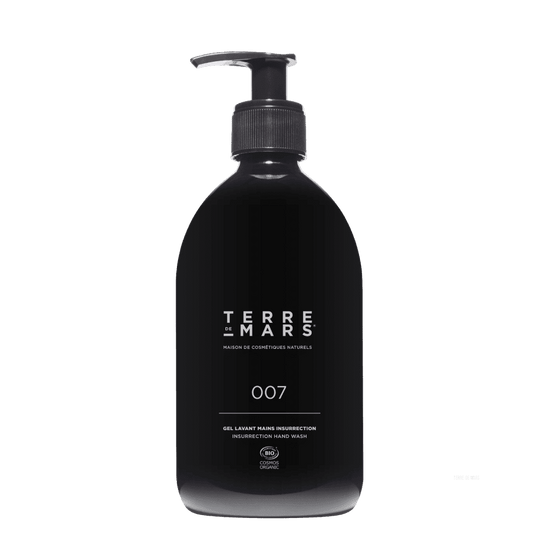
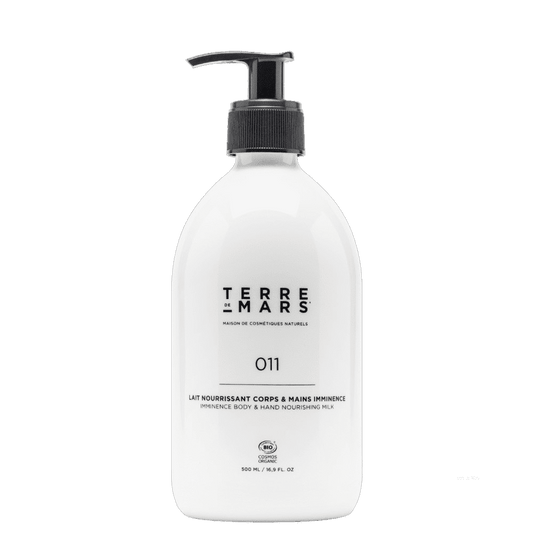
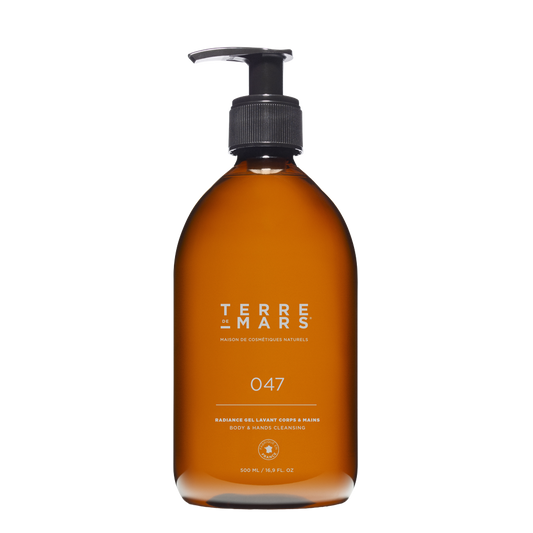
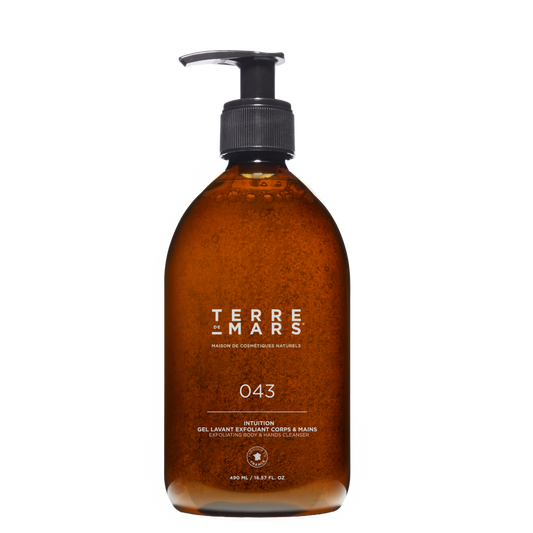
Every winter, the same scenario repeats itself. The skin feels tight, sometimes itches, loses some of its suppleness, and the slightest hot shower makes the feeling worse. It is not inevitable; it is a matter of the skin barrier being tested by the season. Here is a complete routine to get through winter without tightness.
Why skin dries out in winter
The cold outdoors and heated indoor air make a formidable duo. Dry air draws moisture from the skin, while heating lowers the ambient humidity even further. The skin barrier, the film that holds in water, struggles to make up for these losses.
Long hot showers add to the effect. Heat dissolves the skin's protective lipids, leaving it unprotected against evaporation. Tightness is therefore not a whim of the skin; it is the signal of a weakened barrier.
Step 1: cleanse without stripping
It all starts in the shower. A cleanser that is too harsh makes dryness worse by removing the already scarce lipids in winter. The right reflex is to choose a gentle formula that cleanses while respecting the skin barrier.
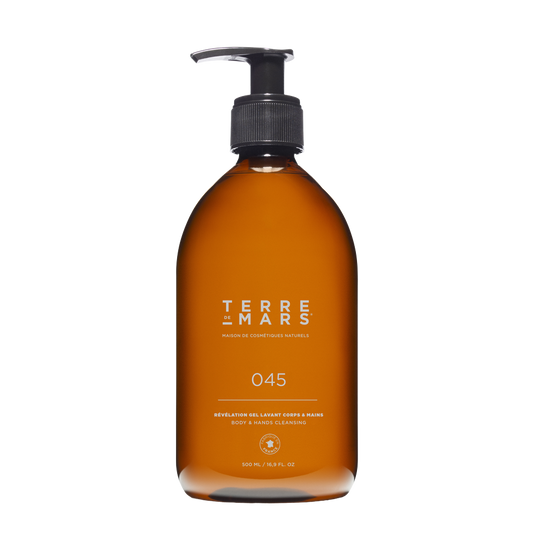
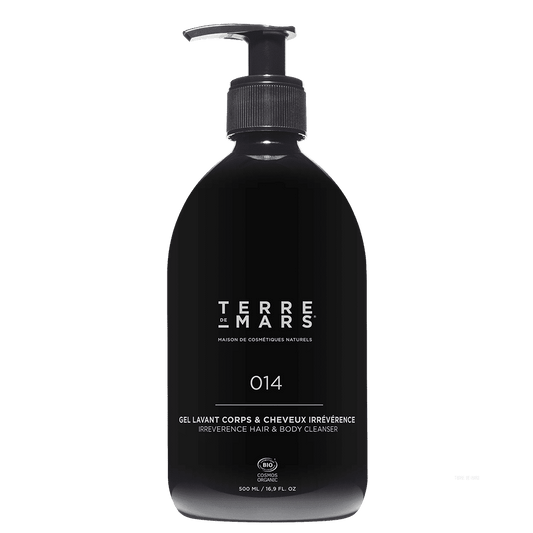
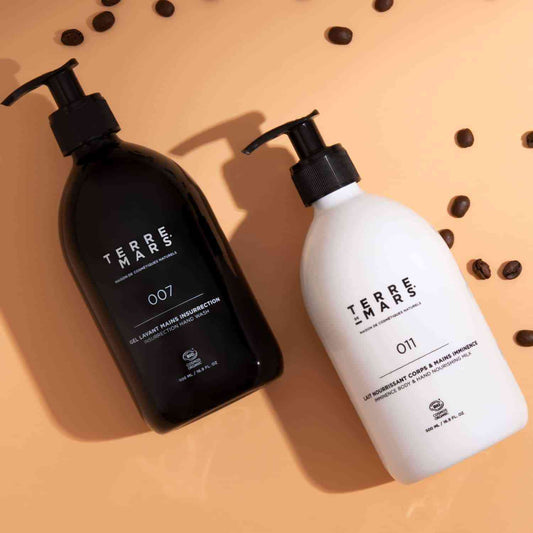
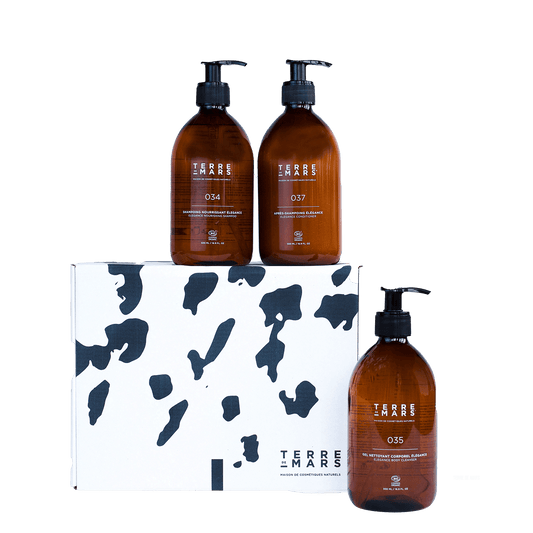
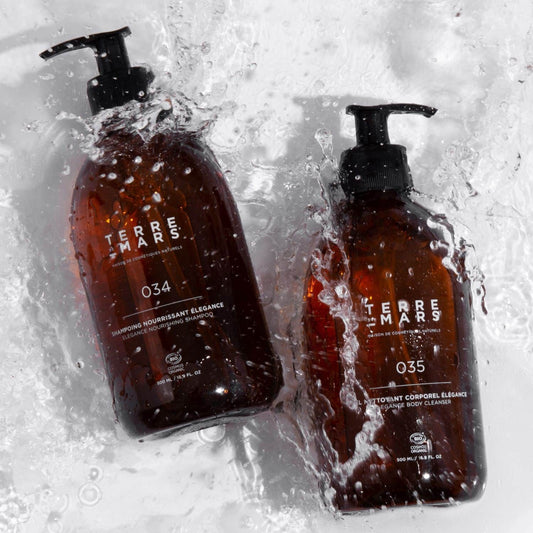
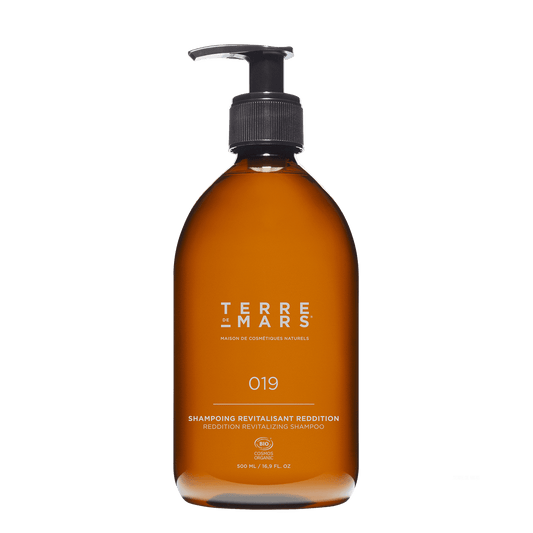
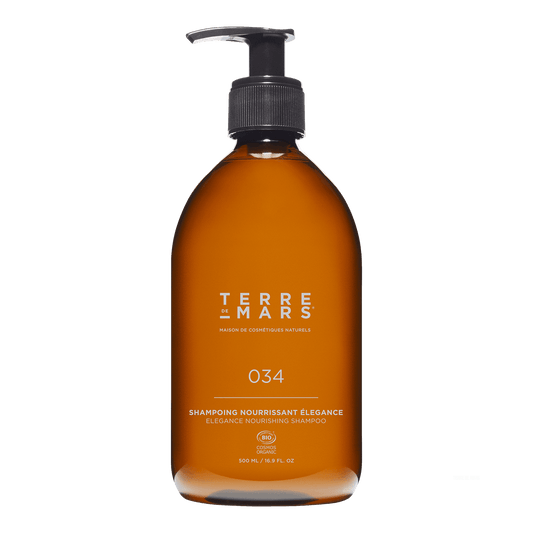
The Reddition Body Cleansing Gel and the Elégance Cleansing Body Gel are designed to cleanse without drying out, as confirmed by surface hydration measurements of up to +36 % in the upper layers of the epidermis depending on the product.
Step 2: hydrate at the right time
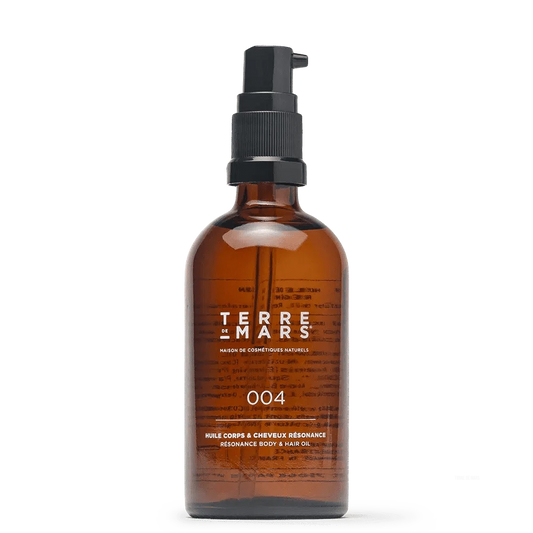
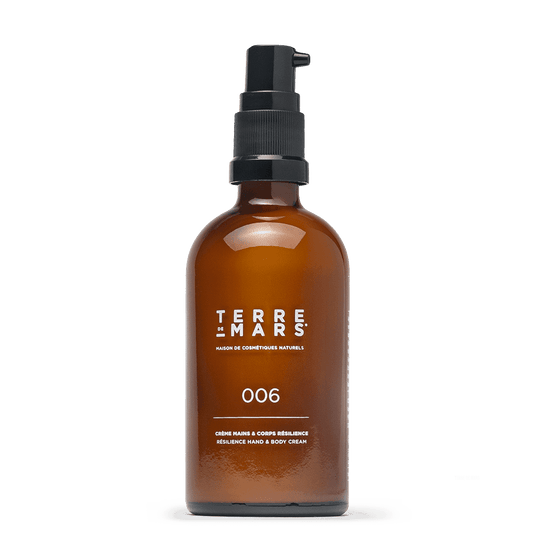
The most effective step is also the simplest: apply a nourishing treatment right after showering, on skin that is still slightly damp. The water trapped on the surface is then sealed in by the treatment, extending comfort.
Step 3: maintain and protect every day
Consistency matters more than intensity. It is better to apply a treatment every day than an occasional intensive treatment. A few habits complete the routine.
- Set your shower water to lukewarm rather than hot, and shorten the shower slightly.
- Dry yourself by patting, without rubbing skin that is already sensitive.
- Pay attention to your hands, which are especially exposed to cold, water, and repeated washing.
- Keep indoor air less dry when possible, as heating dries it out.
The case of skin that feels tight all year round
If the tightness persists outside the cold season, the cause is often more than the weather. A routine that is too harsh, hard water, or naturally dry skin can keep the discomfort going. A gentle, regular approach remains the real long-term answer. To understand how a cleansing product can truly help preserve hydration, our dedicated article on shower gel goes into detail.
The case of skin that feels tight all year round
If tightness persists outside the cold season, the cause often goes beyond the weather. A routine that is too harsh, hard water, or naturally dry skin all contribute to the discomfort. A gentle, consistent approach remains the best long-term solution. To understand how a cleansing product can really help preserve hydration, our dedicated article on shower gel goes into detail.