Sensitive skin doesn't just react, it warns you. A flush here, a tingle there, a feeling of discomfort after a treatment that seemed harmless. Learning to read these signals changes everything, because sensitive skin is managed with gentleness and consistency, not by piling on products.
What is sensitive skin?
Sensitive skin reacts excessively to factors that other skin tolerates without difficulty: a change in temperature, a product too rich in active ingredients, hard water, stress. This reactivity is often caused by a weakened skin barrier, which is more permeable to outside aggressors and more likely to let water evaporate.
Sensitivity is not a fixed skin type. Oily, dry, or combination skin can become sensitive, either temporarily or over the long term. That is why observation matters more than labels.
Signs that do not lie
Several signs, on their own or together, point to sensitive skin.
- Redness that appears easily, after an application or a change in temperature.
- Sensations of tingling, heat, or tightness.
- Discomfort that varies depending on the products used, a sign that the formula plays a direct role.
- Skin that reacts to seasonal changes, becoming more vulnerable in winter or during heat spikes.
Soothing habits
When dealing with sensitive skin, simplicity is a strategy. Fewer, better-chosen products are better than an overloaded routine.
- Cleanse gently, with a respectful formula that does not strip the skin barrier.
- Moisturize regularly to support the barrier function and limit water loss.
- Introduce one new treatment at a time, so you can identify what your skin tolerates.
- Avoid water that is too hot and rubbing, which weaken skin that is already reactive.
Choosing suitable formulas
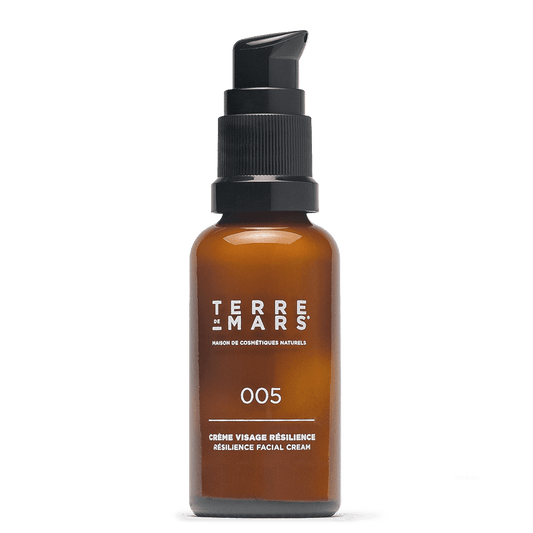
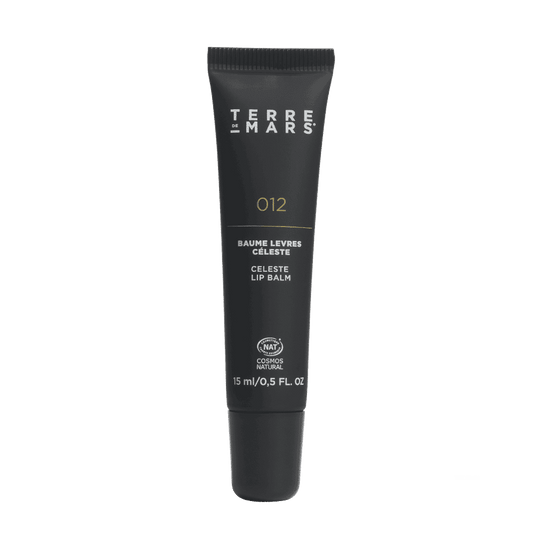
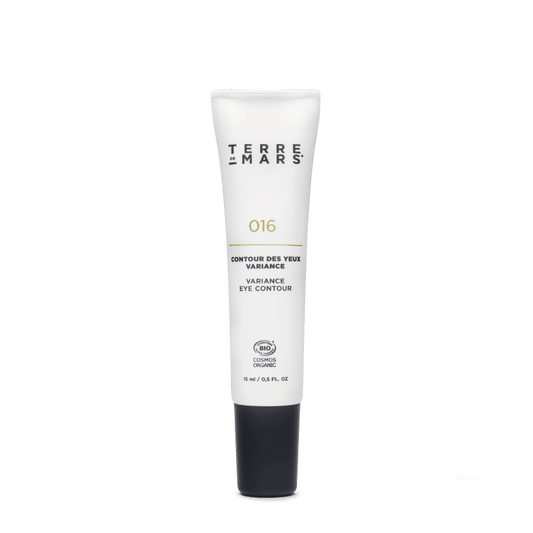
Sensitive skin needs simple, gentle, well-tolerated formulas. Our treatments are based on caffeine and plant-based ingredients chosen for their biocompatibility, presented on our ingredients page.
The scalp can be sensitive too. Our article on choosing a soothing shampoo complements this reading.
When to seek medical advice
A temporary reaction is most often managed with gentleness. When redness, itching, or patches persist or worsen, a dermatologist's advice is still the best approach. A healthcare professional can distinguish simple sensitivity from a condition that requires specific treatment.