An itchy scalp always seems to act up at the worst possible time: an itch in the middle of a meeting, a tight feeling after washing, redness that appears without warning. The usual reflex is to switch shampoos at random, without knowing what actually soothes it. This article gives you the right criteria to choose with confidence.
How to recognize a sensitive scalp
A sensitive scalp reacts too strongly to stimuli that others barely notice: a shampoo that is too harsh, hard water, a change of season, too much heat. The skin on your scalp is still skin, with a protective barrier that can become fragile just like the skin on your face.
Several signs come up often.
- Itching, sometimes immediately after washing, sometimes at the end of the day.
- A feeling of tightness or discomfort, like skin that is pulling.
- Redness or small sensitive areas to the touch.
- Tolerance that varies depending on the product used, a sign that the formula plays a direct role.
In most cases, these symptoms are uncomfortable but not serious. If they persist or get worse, the advice of a dermatologist is still the best course of action.
Why your shampoo may be making things worse
Shampoo comes into direct contact with the sensitive area, making it the first factor to address. Three elements most often explain the discomfort.
First, very harsh surfactants. Designed to clean deeply, they also strip away the scalp's protective film. A weakened barrier lets water escape and reacts more easily to irritants.
Then there is washing frequency. Washing every day with an aggressive base creates a vicious cycle: the more the skin is stripped, the more it defends itself, sometimes by producing more sebum, which leads to even more washing.
Finally, fragrance and certain additives may not be well tolerated by the most reactive scalps. Since sensitivity is personal, paying attention to your own reactions is better than any general rule.
The criteria for a soothing shampoo
A good shampoo for a sensitive scalp is not recognized by a promise on the packaging, but by a set of consistent formulation choices.
- Mild cleansing agents that clean without stripping the protective barrier.
- Soothing and hydrating active ingredients, able to preserve skin comfort during and after washing.
- Verified tolerance, ideally through tests under real-life conditions including sensitive scalps.
- A simple formula that avoids piling on unnecessary ingredients likely to trigger a reaction.
That last point matters more than it may seem. A well-designed sensory formula does not need a long list of ingredients to be pleasant and effective.
The role of caffeine and plant-based ingredients
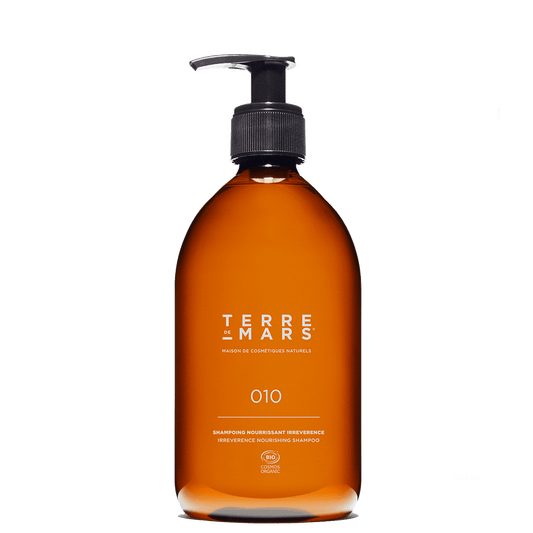
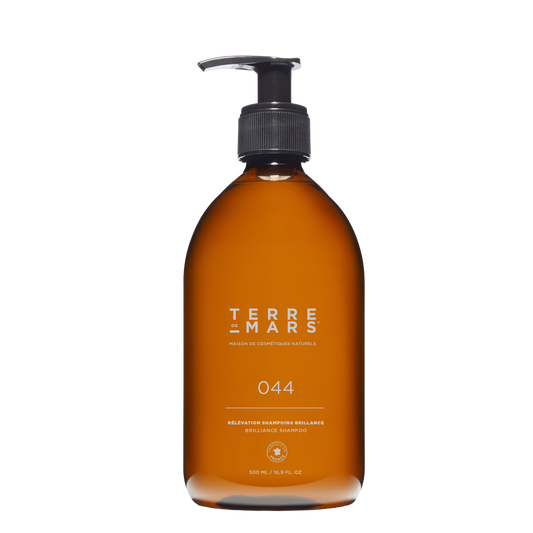
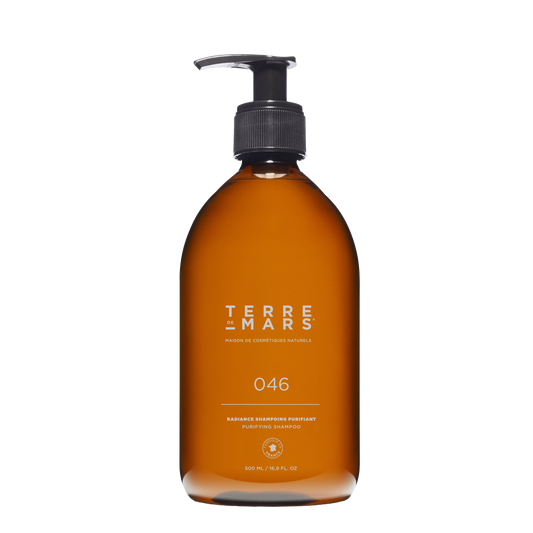
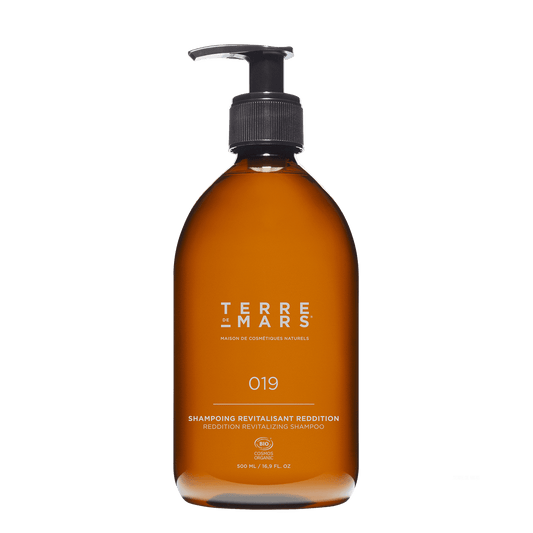
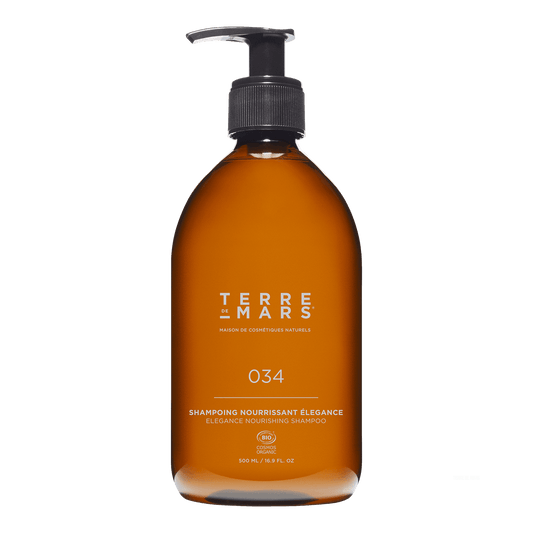
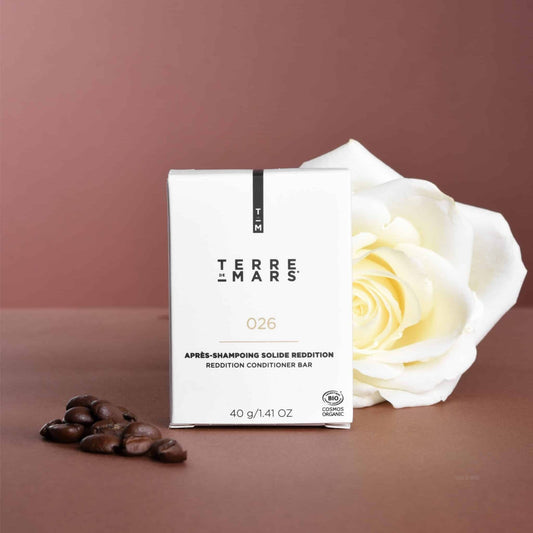
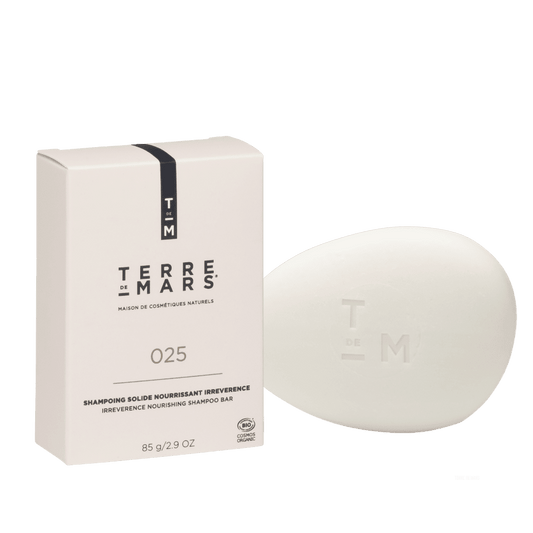
Our shampoos are built around caffeine and plant-based ingredients selected for their affinity with the skin. Caffeine is known for its antioxidant properties, and it fits naturally into a formula designed to respect the scalp.
The ingredients that accompany the coffee are chosen for their gentleness and biocompatibility. You can find them in detail on our ingredients page, which explains the origin and role of each one.
Our shampoos tested under real-life conditions
Rather than simply claiming it, we had our shampoos evaluated by an independent laboratory under real-life use conditions, with special attention paid to scalp comfort.
Each product page specifies what was tested. This transparency lets you check the basis for our claims instead of taking them at face value.
Good washing habits
The best formula shows its full potential when paired with the right technique. A few simple habits reduce discomfort for a sensitive scalp.
- Wet hair thoroughly before applying, so you can spread a small amount of product rather than using too much.
- Massage with your fingertips, not your nails, to stimulate without irritating.
- Rinse thoroughly, because shampoo residue that is not fully rinsed out can keep itching going.
- Choose lukewarm water, since heat weakens the skin barrier.